Description
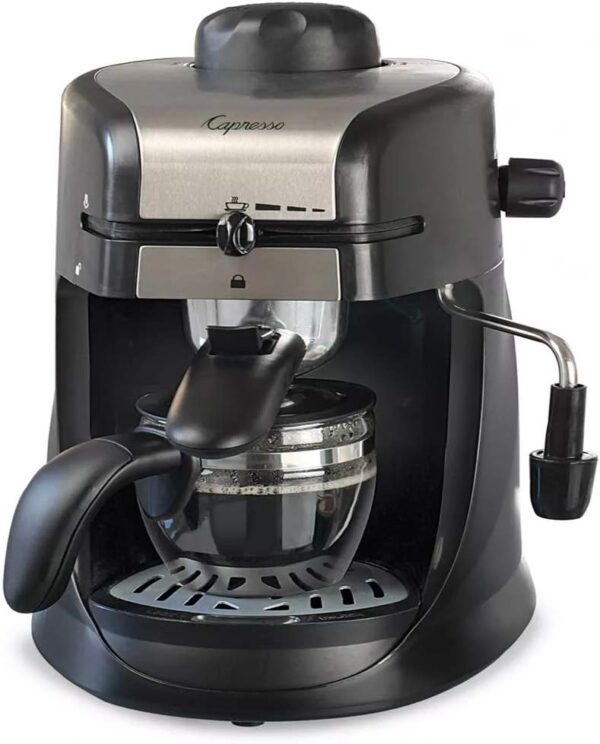
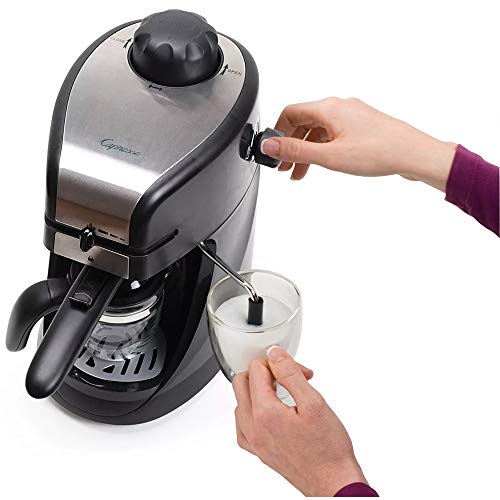
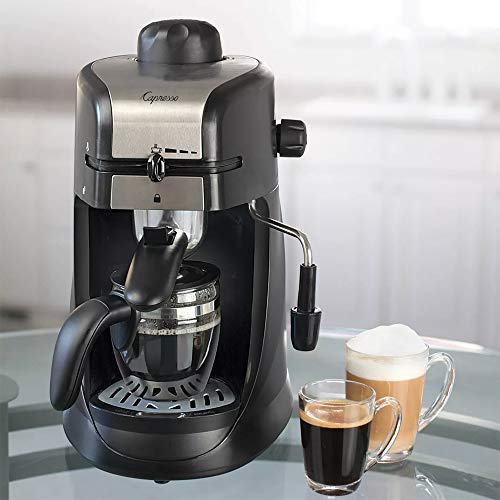
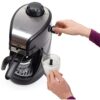
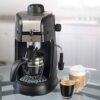
The Capresso 303.01 is a steam pressure espresso and cappuccino machine, not a pump machine, and that single distinction determines almost everything about it. It is a four cup unit measuring 7.5 inches deep, 9.75 inches wide and 13.25 inches high, weighing 5.94 pounds, in a black plastic body with a frothing wand, a removable drip tray, a reusable filter and a hot water function. It has been on the market since January 2009, which makes it one of the longest running designs this site covers.
Steam machines work by heating water in a sealed vessel until the resulting steam pressure forces water through the coffee. Pump machines use an electric pump. The difference in the cup is substantial and it is the thing to understand before spending anything on this format, because no amount of technique will close the gap. Anyone expecting results comparable to the pump machines grouped in our espresso machines category should recalibrate before buying.
How Steam Pressure Brewing Actually Works
A steam machine generates roughly 1 to 3 bar of pressure. Espresso as a category is defined at around 9 bar. That is not a small shortfall; it is a different extraction entirely. Water at 3 bar passes through the grounds more slowly and less forcefully, producing a drink that is stronger and more concentrated than drip coffee but thinner in body than espresso, with a lighter and shorter lived crema.
The second characteristic is temperature. Because the pressure comes from boiling, the water leaving a steam machine is close to boiling rather than the 92 to 96 degrees Celsius that pump machines target. Hotter water extracts more of the bitter compounds, which is why steam machine coffee has a characteristic sharpness. Using a slightly coarser grind and a darker roast compensates a little. Neither the pressure nor the temperature is stated on this listing.
The Four Cup Carafe and Daily Use
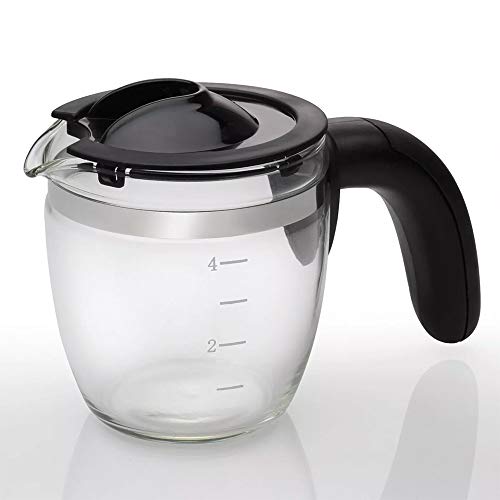
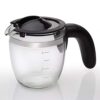
The four cup rating refers to four espresso cups, not four mugs, and the machine brews the full quantity of water you load rather than stopping when you like. That is the standard behaviour of the format: you fill the boiler for the number of cups you want and the machine runs until the pressure is exhausted. There is no volumetric control and no stop button in the way a pump machine has one.
The practical consequence is that this machine is at its best when you are making two to four small drinks at once. For a single espresso it is inefficient, because you still wait for a boiler to come up to pressure. For a household of one who wants one cup, the wait is the main daily cost of the format. The listing gives no boiler capacity, no heat up time and no cycle time.
Frothing Wand and Hot Water
The special feature field runs three items together without separators as Milk FrotherDrip TrayHot Water Dispenser. Read as three separate features, that is accurate: there is a frothing wand, a removable drip tray and a hot water function.
The frothing wand on a steam machine has one genuine advantage over a cheap pump machine, which is that it has abundant steam. A steam boiler exists to make steam, so it will froth milk without the recovery wait that a small thermoblock pump machine imposes. The texture is coarse rather than the flowing microfoam a latte needs, so this produces a traditional bubbly cappuccino foam rather than anything you could pour art with. The hot water function covers americanos and tea, and it is genuinely useful on a machine whose coffee is already on the thin side, because an americano built from steam machine coffee tastes closer to what you expect than a straight shot does.
Cleaning, Materials and the Tank
The drip tray and the filter are removable and the filter is reusable metal rather than paper. That covers the daily routine. The frothing wand needs wiping and purging immediately after each use, which is true of every steam wand but more so here, because dried milk in a wand with this much steam pressure is difficult to clear.
The water tank on this design is narrow, which makes it awkward to clean thoroughly without a bottle brush. That is worth knowing because a steam machine boiler and tank accumulate scale quickly given the water is boiled rather than heated. Descaling regularly with a product from our cleaning and descaling section is the single maintenance job that determines how long a machine of this type lasts, and there is no descale prompt to remind you.
Errors in the Listing Data
The operation mode field reads Fully Automatic. That is wrong in every sense that matters. Fully automatic in coffee terminology means a bean to cup machine that grinds, doses and brews unattended. This machine has no grinder, no brew unit and no automation; you load ground coffee, screw down a lid and switch it on. The correct description is a manual steam machine.
The UPC field contains eight different barcode numbers concatenated into one string, which suggests the listing has absorbed data from several product variants over its long life. The manufacturer field reads Jura-Capresso, which reflects the corporate relationship rather than an error. The listing includes no boiler capacity, no pressure figure and no wattage, and its included components field says only Espresso machine, so what accessories arrive in the box is unknown.
What the Specifications Do Not Settle
Beyond the missing pressure, temperature and wattage figures, the listing does not state the boiler capacity in millilitres, the filter basket size, whether a tamper or a measuring scoop is included, the carafe material, the cup clearance, or the warranty term. Earlier copy referred to a one year limited warranty, which is a claim rather than a confirmed field.
Most importantly, nothing on the listing tells a buyer that this is a steam machine rather than a pump machine. The coffee maker type reads simply Espresso Machine, and the title says espresso and cappuccino. A buyer comparing this against a pump machine on price alone will be comparing two products that make measurably different drinks, and the listing does nothing to flag that. There is also no grinder, so ground coffee or a separate grinder is required.
Who It Suits
This suits someone who wants a stronger than drip coffee and a frothed milk drink for very little money, and who is not chasing espresso as such. It suits a household making two to four small drinks at a time rather than one, and it suits anyone who values a design that has been in production and supported for more than fifteen years. The abundant steam makes the milk side genuinely easy compared with budget pump machines. The Capresso 30401 Steam PRO is the larger machine in the same family.
It suits you poorly if you want espresso in the technical sense, because the format cannot produce it. It suits you poorly if you want a single quick cup, given the boiler cycle. And it suits you poorly if you have bought a burr grinder and want to see the results of dialling it in, because a steam machine flattens those differences. In that case a pump machine such as the De’Longhi EC155 is the smaller step up, and a machine with a full size basket such as the CASABREWS 4700Gense is the larger one. The Krups XP1020 is the closest alternative working on the same principle.