



Description
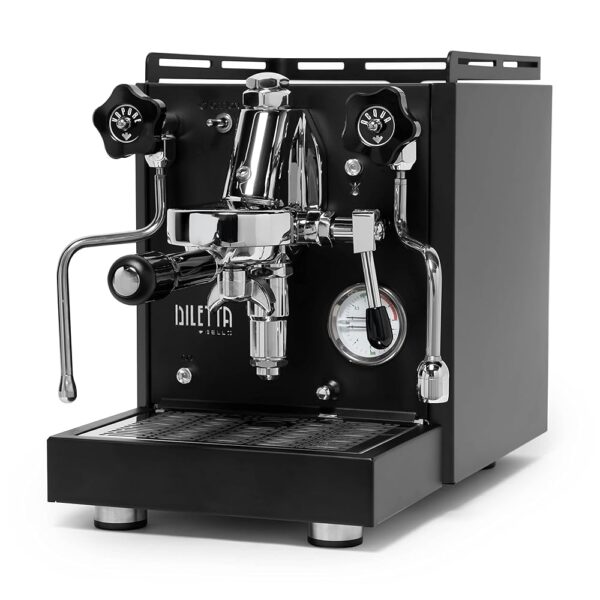
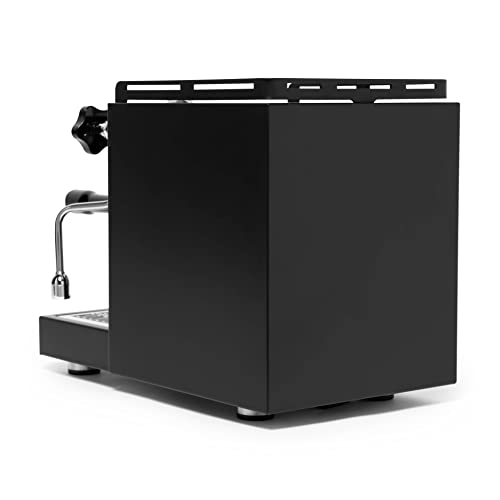
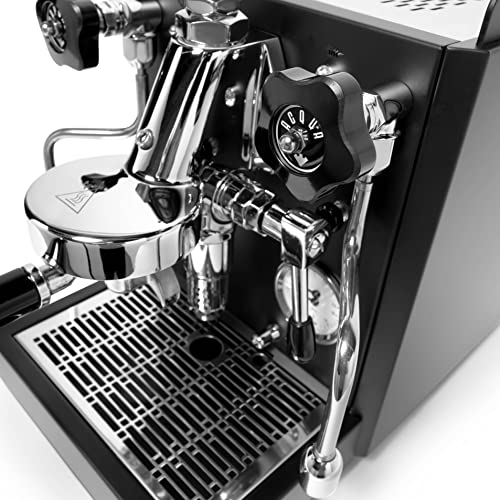
The Diletta Bello is a prosumer semi-automatic espresso machine in a stainless steel case, weighing 50 pounds and measuring 17.75 inches deep, 11 inches wide and 14.5 inches high. It is specified with an insulated stainless steel boiler, a 60 minute eco timer switch mounted under the case, a choice of mirror polished steel or powder coated panels, and a country of origin of Italy. Included components are listed only as a portafilter.
Fifty pounds is the specification that places this machine. Mass on an espresso machine is thermal mass: a heavy machine holds temperature through a shot and through a steaming session in a way a lightweight thermoblock cannot. It also means the machine is effectively permanent once positioned. This is a different category of purchase from the machines that make up most of our espresso machines category, and it should be evaluated on longevity and serviceability rather than on features.
The Boiler and Simultaneous Brewing
The listing claims simultaneous brewing and steaming without delay. That capability is the defining specification, because a single boiler machine physically cannot do it: one vessel cannot hold brewing temperature and steaming temperature at the same time. A machine that brews and steams together is either a heat exchanger, where a tube of fresh water passes through a steam boiler and is heated on the way to the group, or a dual boiler with two separate vessels.
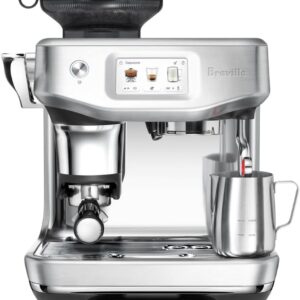
The listing does not say which architecture is fitted, and the difference matters. A heat exchanger gives unlimited steam and requires a cooling flush before each shot, because water sitting in the exchanger overheats while the machine idles. A dual boiler gives independent temperature control and no flush routine, and costs more. The description of a single insulated stainless steel boiler points toward a heat exchanger, but nothing on the page confirms it. Anyone comparing this against a true dual boiler machine such as the Breville BES920XL should resolve that question first, because it changes the daily routine.
Heat Up Time and the Eco Timer
The listing states the machine reaches brewing and steaming temperature in under 10 minutes. For a machine with a real boiler that is a reasonable figure, and it is the honest cost of the thermal mass that makes the machine stable. A thermoblock machine is ready in thirty seconds; a boiler machine is not, and no amount of engineering changes that.
The practical answer on machines of this type is a timer, and the Bello has one: an optional 60 minute eco timer activated by a switch under the case. That is a shutdown timer rather than a wake up timer, so it turns the machine off after an hour of inactivity rather than bringing it up to temperature before you wake. Anyone wanting the machine hot on a schedule will need an external smart plug, which is a common arrangement with prosumer machines. Placing that switch under the case rather than on the front panel is an unusual choice and means changing the setting requires reaching underneath.
Build, Panels and Footprint
The case and frame are stainless steel, with a choice between mirror polished panels and powder coated ones. That is a genuine build specification rather than a finish description: a steel frame is what allows a machine to be repaired and rebuilt over a long life, and it is the main structural difference between a prosumer machine and a domestic one.
The footprint of 11 inches wide by 17.75 inches deep is narrow and deep, which is typical of the E61 style layout where the group head projects forward from a tall body. At 14.5 inches high it will clear most wall cabinets, but the tank fills from the top, so headroom above the machine is required in practice. The 50 pound weight means that once it is placed it stays placed, and it also means the counter needs to be solid.
Water, Cleaning and Serviceability
The tank is transparent so the level is visible without lifting a lid, though the listing does not state its capacity. Machines in this class typically run between 2 and 3 litres, but that is an expectation rather than a stated figure here.
Maintenance on a prosumer machine is different in kind from a domestic one. Backflushing the group with a blind basket and detergent is a weekly job, the shower screen and dispersion block come apart for cleaning, group gaskets are replaced periodically, and descaling is done with the machine’s water path in mind rather than by pouring a solution in the tank. The upside is that all of these are owner serviceable and parts are available, which is precisely what you are buying at this price. Suitable cleaning products are covered in our cleaning and descaling section, though prosumer machines generally want a dedicated espresso machine detergent rather than a general descaler.
What the Specifications Do Not Settle
The listing is thin for a machine at this level. It does not state the boiler capacity, the boiler architecture, the group head type, the pump type, whether there is a rotary or vibratory pump, whether the machine can be plumbed in, the water tank capacity, the portafilter diameter, the wattage, the presence or absence of a pressure gauge, or the warranty term.
Two claims deserve separate treatment. The marketing describes the machine as handcrafted in Milan, while the structured country of origin field says only Italy. The city level claim is unverified by anything on the page. And the included components field lists a portafilter alone, which means no tamper, no milk pitcher, no baskets described and no cleaning tools are confirmed as supplied. On a machine at this price that is unusual and worth confirming, because a full accessory set is a meaningful additional outlay. There is also no statement of whether a bottomless portafilter or single and double baskets are included.
Who It Suits
This suits someone who has outgrown domestic machines and wants a repairable, temperature stable machine to keep for a decade or more. The steel frame, the insulated boiler and the ability to brew and steam together are the three specifications that justify the step up, and together they solve the problems that make cheaper machines frustrating: temperature drift, weak steam and waiting between drinks. The Rancilio Silvia M V6 is the other long lived machine bought for the same reasons.
It suits you poorly if you want coffee quickly from cold, because a ten minute warm up is a real constraint on a weekday and the eco timer does not solve it. It suits you poorly if you want automation of any kind, since there is no grinder, no drink menu and no milk automation. And it suits you poorly if you are not prepared to maintain it, because a prosumer machine that is never backflushed performs worse than a cheap machine that is. Anyone who wants a hot drink on demand with none of that should be looking at bean to cup machines in our super automatic espresso machine section instead. The MiiCoffee Apex is another 58 mm machine aimed at the same buyer.