

Description
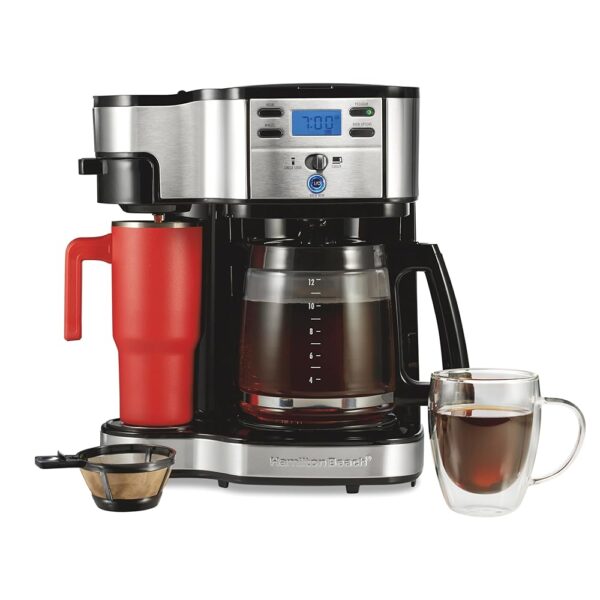
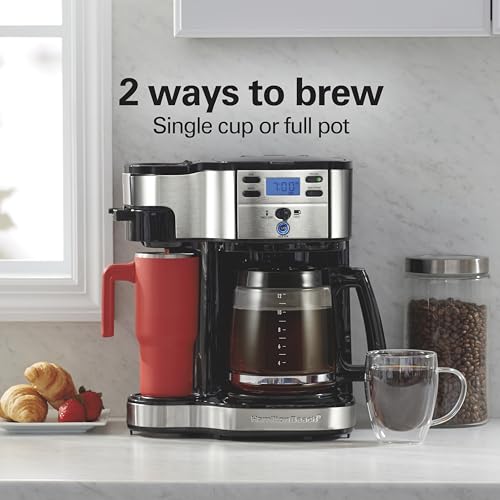
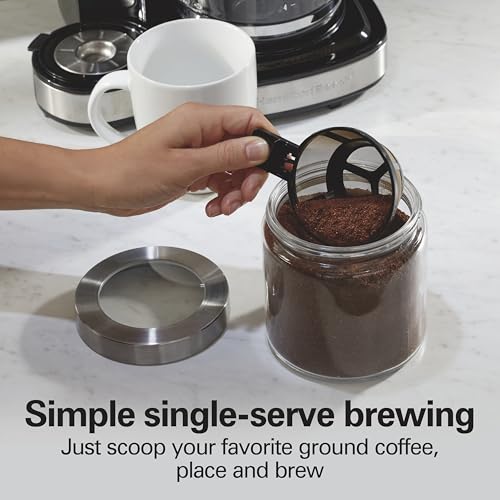
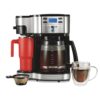
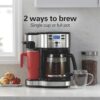
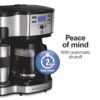
The Hamilton Beach 49980R is two coffee makers sharing one body. On one side is a conventional 12 cup drip machine with a glass carafe and a warming plate. On the other is a single serve brewer that takes ground coffee in a mesh scoop and brews directly into a mug. Each side has its own water reservoir with its own window.
The design answers a specific household problem: one person wants a mug on the way out of the door and another wants a pot with breakfast, and neither wants to wait for or clean up after the other. There is one important thing to establish before anything else, and the listing is admirably direct about it.
The Single Serve Side Does Not Take Pods
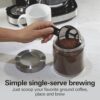
Hamilton Beach states plainly that the machine is not compatible with K-Cup pods, and includes the standard trademark disclaimer noting no affiliation with Keurig Green Mountain. The single serve side takes ground coffee in a supplied mesh basket, and that is the only way it works.
This is the whole argument for the machine and it is worth understanding as a positive rather than a limitation. Hamilton Beach frames it as skipping the plastic pods for fresher flavour and less waste, and the economics back that up: ground coffee is a fraction of the cost of pods per cup, and there is nothing to throw away except the grounds. The tradeoff is that you scoop and rinse rather than dropping a sealed pod in a bin. If pod convenience is what you actually want, the single serve brewers we cover are built around it, and a reusable basket like the GoodCups refillable K-Cup is the way to get ground coffee into one of those instead.
The Count Error In The Listing
Two of the bullet headings in this listing state a number that the text underneath them contradicts. One reads five ways to brew and then describes exactly two: a single cup or a full pot. Another reads five separate easy fill water reservoirs and then explains that each brewer has its own reservoir, which is two.
The machine is called the 2-Way and has two sides, so the correct number is two in both cases. The five appears to be a corrupted character rather than a claim, and it is the kind of thing that leads people to expect brewing options that do not exist. There are two paths through this machine and no more.
Brewing Controls
Both sides share a control panel offering bold or regular brew strength and 24 hour delay programming. Brew strength on a drip machine works by slowing the water so it spends longer in contact with the grounds, extracting more from the same dose.
Delay brewing applies to the carafe side, which is where it is useful: you load the machine at night and wake to a full pot. Auto Pause and Pour lets you take a cup from the carafe mid cycle, with the usual caveat that the first part of a brew cycle is more concentrated than the last, so an early cup is stronger than the finished pot would have been and what remains is weaker. The carafe needs to go back within a few seconds or the basket overflows.
Two Reservoirs, Two Routines
Each side having its own reservoir is the detail that makes the machine work. A shared tank would mean the single serve side draining water intended for the pot, and no way to know how much either side had left. Two windows means you can see both at a glance.
It also means two things to fill and two things to keep clean. Water sitting in a reservoir develops a film over time, and a side that gets used once a week will need rinsing more often than the side used daily. Neither reservoir is described as removable in the recorded data, which on a machine of this shape most likely means filling in place from a jug or the carafe. That is the main daily handling difference against a machine with a lift out tank such as the Ninja CE251.
Filters and Running Costs
The single serve side uses the included mesh scoop, which is a permanent filter. The carafe side is described in the attribute table as using a reusable filter, with the included components listing a single serve grounds basket and a carafe.
A mesh filter changes the cup compared with paper. Metal lets the coffee oils and some fine particles through, giving more body and occasionally a little sediment; paper traps both and gives a cleaner, lighter result. If you prefer paper on the carafe side, check whether the basket is cone or basket shaped before ordering from the disposable filters we cover, since the two are not interchangeable. On the single serve side there is no paper option, so the mesh cup is what you get.
Size, Build and Data Notes
The recorded dimensions are 10.63 inches deep, 12.2 inches wide and 13.7 inches high, with an item weight of 7.4 pounds. The 12.2 inch width is the price of two brewing paths side by side, and it is wider than a comparable single purpose machine. Allow clearance above for the lids.
The voltage field reads 100120 Volts, which is a mangled rendering of a 100 to 120 volt range rather than a real figure. The first availability date of August 2013 tells you this is a long established design, which means a deep body of published owner feedback exists and replacement carafes are easy to find. The exterior finish is recorded as metallic, which on a machine at this weight means a plastic body with a metal effect panel rather than a metal chassis.
What the Specifications Do Not Settle
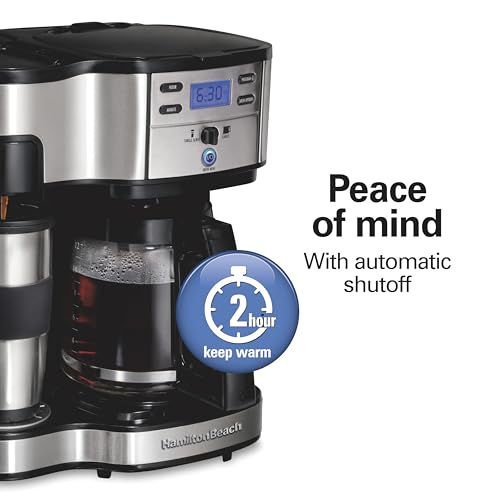
No brew temperature. No wattage. No reservoir capacities in ounces for either side, so the relationship between the 12 cup rating and the actual volume is unstated. No maximum mug height for the single serve side, which matters because a tall travel mug may not fit under the spout. No stated warming plate duration or auto shut off interval.
Nothing states the maximum ground coffee dose the single serve basket takes, which is the number you would need to control strength on that side. And nothing describes whether the two sides share a heating element, which would determine whether you can run both at once.
Who It Suits
This is the right machine for a two speed household: one person taking a mug out of the door and another sitting down with a pot, or a single person who wants one cup on weekdays and a full carafe at the weekend. Avoiding pods entirely keeps the running cost close to nothing beyond the coffee itself, and the two reservoirs mean the two routines do not interfere.
Skip it if you want the convenience of sealed pods, because the single serve side deliberately does not offer it. Skip it too if counter width is tight, since two brewers side by side is a wide machine. And as with any glass carafe on a warming plate, the pot will stew if it sits, so a thermal carafe machine from the drip coffee makers we cover is the better answer if the coffee waits more than an hour.