![COLETTI Bozeman Percolator Coffee Pot , NO Aluminum or Plastic [9 cup]](https://idealcoffeeshop.com/wp-content/uploads/2025/04/coletti-bozeman-percolator-coffee-pot-no-aluminum-or-plastic-9-cup-600x593.jpg "COLETTI Bozeman Percolator Coffee Pot , NO Aluminum or Plastic [9 cup]")


![COLETTI Bozeman Percolator Coffee Pot , NO Aluminum or Plastic [9 cup]](https://idealcoffeeshop.com/wp-content/uploads/2025/04/coletti-bozeman-percolator-coffee-pot-no-aluminum-or-plastic-9-cup-100x100.jpg "COLETTI Bozeman Percolator Coffee Pot , NO Aluminum or Plastic [9 cup]")


Description
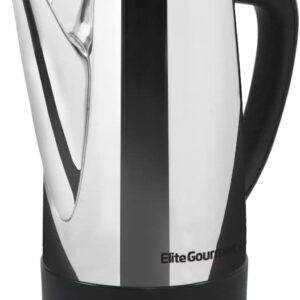
The COLETTI Bozeman is a nine cup stovetop percolator made entirely from stainless steel, with a glass knob in the lid so you can watch the coffee cycling. There is no plastic and no aluminium anywhere in it, which is the point the brand makes hardest and the reason most people choose it.
A percolator is a fundamentally different brewing method from anything electric on this site, and it is worth understanding before buying one. Water in the base boils, rises up a central tube, sprays over a basket of grounds, drains back into the base, and does the whole thing again. The coffee you end up with has been through the grounds repeatedly rather than once, which is why percolator coffee is stronger, darker and more divisive than drip coffee.
Why No Aluminium Matters
Most cheap percolators are aluminium, and COLETTI leads with the fact that this one is not. Aluminium is light, cheap and conducts heat well, which is why it has been used for stovetop coffee equipment for a century.
The argument against it is that aluminium reacts with acidic liquids, and coffee is acidic. Over time an aluminium pot develops a patina and can impart a metallic edge to the coffee, particularly if it has been scrubbed back to bare metal. Stainless steel is inert, so it does not react, does not stain the coffee and tolerates detergent and dishwashers that aluminium does not. It costs more and it conducts heat less evenly, which is the trade. For a pot that will be used outdoors, scrubbed with whatever is to hand and thrown in a pack, stainless is the sensible material.
The Six Ounce Cup
Buried in the listing is a note that most percolator sellers omit: one coffee cup equals six fluid ounces. That single line makes the capacity claim honest and it deserves surfacing.
Nine cups at six ounces is 54 ounces, or a little under half a gallon. In mug terms that is four or five servings, not nine. Percolators are conventionally rated in smaller cups than drip machines, which use five ounces, so comparing a nine cup percolator with a twelve cup drip machine on the numbers alone is misleading. It is also worth knowing that percolators do not brew well when part filled, because the pump tube needs a minimum depth of water to start cycling. If you routinely want two cups, a smaller pot is the right buy rather than a large one run half empty.
The Glass View Top and Knowing When To Stop
The glass knob in the lid is not decoration, it is the control. A percolator has no timer, no thermostat and no indication that it has finished, so watching the coffee bubble through the glass is how you judge the brew.
This is where percolators are won and lost. Once the coffee starts cycling you want roughly five to eight minutes of gentle perking on reduced heat, then take it off. Left on a high flame it will keep cycling indefinitely, pushing the same coffee through the same grounds over and over, and the result is the bitter, burnt cup that gave percolators their reputation. The colour visible through the glass tells you how far along you are, and the pace of the bubbling tells you whether the heat is too high. That judgement is the skill of percolator brewing and there is no way to automate it on a stovetop model. An electric percolator from the percolators we cover handles the timing for you, at the cost of needing a socket.
Filters and Grind
A pack of 15 disc filters is included and the filter size is recorded as number 4. Disc filters sit in the basket under the grounds and catch the fines that would otherwise wash through the basket perforations into the pot.
They are optional rather than required, and they are the difference between percolator coffee with grounds in the bottom of the cup and percolator coffee without. They are not the same as the basket papers used in drip machines, so do not substitute from the disposable filters we cover. Grind is the other half of that problem. A percolator wants a coarse grind, coarser than drip and closer to what a French press uses, because the basket perforations are large and fine grounds pour straight through. Supermarket pre ground coffee is too fine for a percolator, and the usual complaint about grit in the cup traces back to grind rather than to the pot. Fifteen filters is a starter pack rather than a supply, so budget for replacements.
Build, Cleaning and the Dimension Error
The pot is dishwasher safe, which is the practical advantage of stainless over aluminium, and rinses clean in the field with water alone. There are no gaskets, no valves and no electrics, which is why a percolator like this outlasts most coffee equipment: the only parts are a body, a basket, a tube and a lid.
The recorded dimensions read 7.64 inches deep, 7.4 inches wide and 5.34 inches high, and that height figure cannot be right. A nine cup percolator stands somewhere around nine to ten inches tall including the lid and knob, and a 5.34 inch pot could not hold 54 ounces at that diameter. Either the axes have been transposed or the figure describes the body without the lid. Use the diameter figures for planning and assume a pot roughly twice the stated height. The two pound weight is credible for stainless at this size.
What the Specifications Do Not Settle
No induction compatibility statement, which is the single most important question for any stovetop pot in a modern kitchen. Stainless steel is usually magnetic and therefore induction capable, but that depends on the grade and on whether the base is a single layer, and nothing here confirms it. Check before buying if your hob is induction.
No grounds quantity is given for a given number of cups, which is the number you actually need to brew it correctly. No basket capacity. No handle material, which determines whether it needs a cloth on a gas ring. No statement of whether replacement baskets or pump tubes are available. And the recorded category places this under teapots and coffee servers rather than coffee makers, which is why several of the fields a brewer listing would normally carry are simply absent.
Who It Suits
This suits campers, caravanners and anyone brewing away from a socket, and equally anyone at home who likes strong dark coffee and does not mind watching a pot. Stainless throughout means it will survive treatment that would destroy a glass press or a plastic bodied machine, there is nothing on it that can fail electrically, and the six ounce cup note means you know what you are actually getting. The Farberware Yosemite 50124 is the other stainless stovetop percolator here. The Primula TPA-3609 is the aluminium alternative for the same trips.
Skip it if you want a clean, light cup, because percolation is the opposite of that; a pour over cone is the format for clarity. Skip it too if you want to press a button and walk away, since a stovetop percolator needs watching and will produce bitter coffee if it is left. And if the appeal is outdoor durability but the method does not suit you, a stainless moka pot is the other unbreakable stovetop option. The Bialetti Venus is that stainless moka pot.