Description
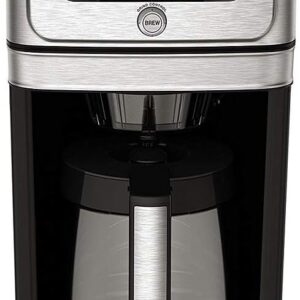
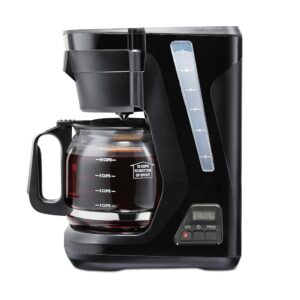
The Cuisinart SS-12 Coffee Center Brew Basics is the glass carafe version of Cuisinart’s dual format machine: a twelve cup drip brewer on one side, a single serve pod brewer on the other, one chassis, one control panel. It is the cheaper sibling of the thermal carafe SS-21, and the difference between the two is almost entirely the carafe and the price.
The reason this format exists is a household with two coffee habits. One person brews a pot every morning; another wants one cup of decaf at four in the afternoon. Buying two appliances means giving up counter space that most kitchens do not have. The SS-12 measures 10.3 inches deep by 9.75 inches wide by 14.5 inches high at 9.5 pounds, which is roughly one machine’s footprint doing two machines’ work. Against the standalone options in our single serve brewers category, that is the entire argument.
Two Reservoirs, Two Filters
This is the specification that most buyers miss and it is the most important one on the machine. The two sides do not share a water supply. The drip side has a 64 ounce reservoir with its own charcoal water filter; the single serve side has a separate 40 ounce reservoir with its own charcoal filter. That means two things in daily use. First, you fill and monitor two tanks, not one. Second, you buy and replace two charcoal filters rather than one, which is a running cost the machine price does not show.
The upside of separate reservoirs is that pod brewing does not drain the water you set aside for the pot, and a stale tank on one side does not contaminate the other. The downside is more maintenance surface. Replacement cartridges such as the Brensten charcoal water filter are the consumable to keep on hand, and skipping them is the usual reason a Cuisinart starts tasting flat.
The Carafe Side
Twelve cups at the standard five ounce cup is around 60 ounces, or four large mugs, brewed into a glass carafe on a warming plate. Keep Warm is adjustable from zero to four hours, which is a better arrangement than a fixed timer because you can set it to zero if you decant immediately and stop the machine cooking your coffee.
Brew Pause lets you pull the carafe mid cycle for a cup and return it without a mess. The panel carries an LCD display, a 24 hour programmable clock and an “Add Water” icon. That icon matters more than it sounds, because with two reservoirs an empty tank is easy to miss; one owner review notes that the pod side has no visible water window at all on this model, and that the machine warns you by flashing all its lights when that side runs low. They describe it as an inconvenience rather than a deal breaker, which sounds right.
A Listing Error That Belongs to a Different Machine
The manufacturer description on this listing opens with the following note: “Too coarse a grind, too little coffee, or insufficiently tamping the grounds before brewing can all lead to inadequate pressure for a proper brew” and continues about the amount of espresso extracted varying with grind size.
None of that applies to this product. The SS-12 has no portafilter, no tamper and no pump. There is nothing to tamp and no espresso to extract. This is copy from an espresso machine listing that the importer has attached to a drip and pod brewer, and it is the clearest example on this page of why the specification data on these imported listings cannot be read at face value. If espresso is what you are shopping for, a pump machine with a portafilter is the category to look at and this one is not in the running.
A smaller error sits in the same table: “Unit Count = 12.0 Count” is the cup rating restated in a field meant for how many units ship. One machine arrives, not twelve.
The Single Serve Side and Running Costs
The pod side takes standard single serve capsules. The listing does not state the cup size options, does not state whether a reusable pod cup is included, and the included components field reads only “Glass Carafe, Coffee Machine, Charcoal water filter”. Assume no reusable cup ships and budget for one if you intend to use your own grounds.
Running cost is where dual machines get interesting. Ground coffee for the carafe side is the cheapest coffee you can make at home; capsules for the pod side are among the most expensive per ounce. Owning both in one machine makes it easy to drift toward the convenient side without noticing the bill. If pod economics matter, the range and pricing in our single serve capsules and pods section is the number to look at, not the machine price.
Reliability and What Owners Report
The published rating base at capture was roughly 425 ratings at a 4.0 average, which is a large enough sample to read patterns from. The positive reviews are consistent: several owners switching from a Keurig K-Duo report better temperature and a properly filled mug from this machine, and others describe both sides working reliably over years.
The negative reports concentrate on the electronics rather than the brewing. One detailed owner review describes intermittent behaviour starting inside five months, with panel lights illuminating incorrectly and eventually no power to the buttons while the clock kept running. A dual function machine has two water paths, two heaters worth of duty cycle and one control board, so it has more to go wrong than a single format brewer at the same price. That is a structural point about the format, not a claim about this specific unit’s failure rate, which 425 ratings cannot establish.
What the Specifications Do Not Settle
No brew temperature is published for either side. No wattage is published. No cup size range is given for the single serve side. Whether a reusable pod cup is included is unstated. “Filter Type = CoffeeMaker” and “Exterior Finish = Glass, Plastic” are non answers filed into specification fields. There is no warranty term listed. The included components mention a single charcoal water filter, while the description states each reservoir contains its own, which is a direct disagreement inside the same listing.
Who It Suits
This suits a two person household with different coffee habits and one stretch of free counter, where a full pot and a single cup are both regular events. The separate reservoirs and adjustable keep warm are the features that justify the format, and the glass carafe keeps the price well below the thermal version.
Look elsewhere if you only brew one way, because a dedicated machine costs less and has less to fail. If you drink a pot slowly, the thermal Cuisinart SS-21 is the version worth the extra money. If you want the same dual idea from the pod side of the market, the Keurig K-Duo Plus is the direct competitor.