Description
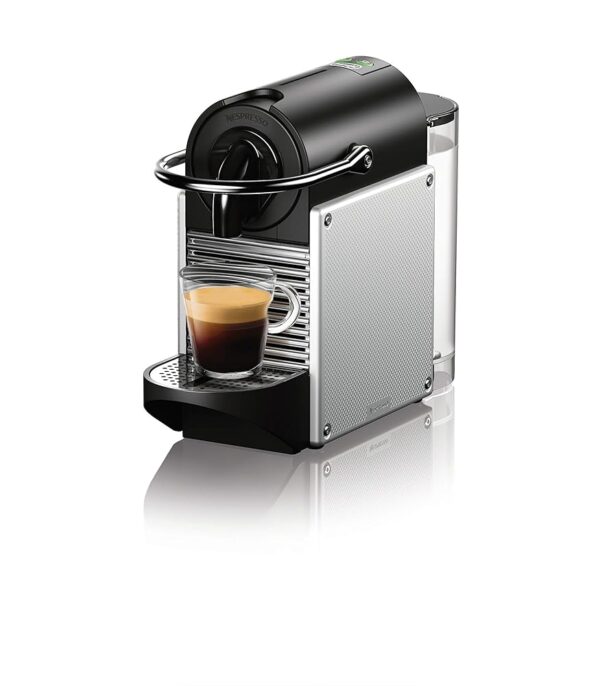
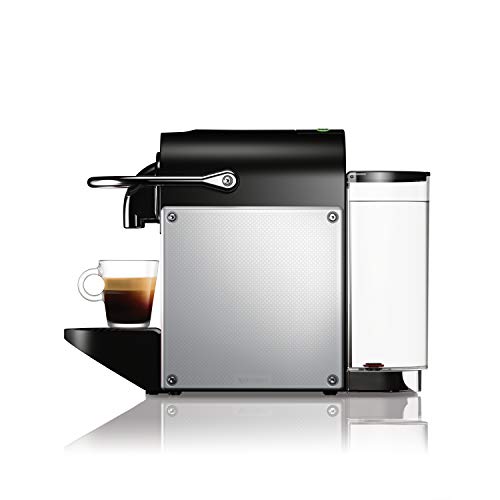
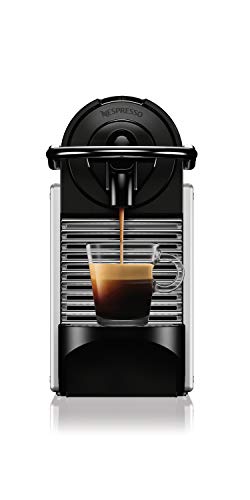
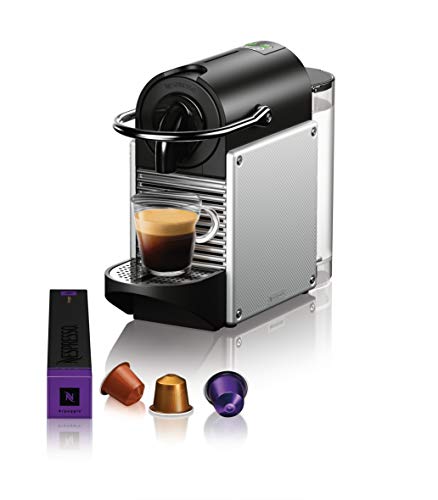
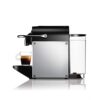
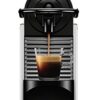
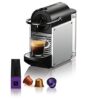
The Nespresso Pixie EN124S, made by De'Longhi, is an OriginalLine capsule machine specified with a 19 bar pump, a 25 second heat up, automatic capsule piercing with what Nespresso calls drop stop technology, and two programmable buttons for espresso and lungo. Power save mode switches the machine off after 9 minutes of inactivity. The body is aluminium and the machine weighs 6.61 pounds.
The Pixie sits between the Essenza Mini and the CitiZ in the Original range. Its distinguishing feature against the cheaper machines is the aluminium side panelling rather than plastic, and against the more expensive ones it gives up tank capacity for a smaller footprint. It is one of the most widely sold capsule machines of the last decade and is well documented by owners.
This Version Has No Milk Frother
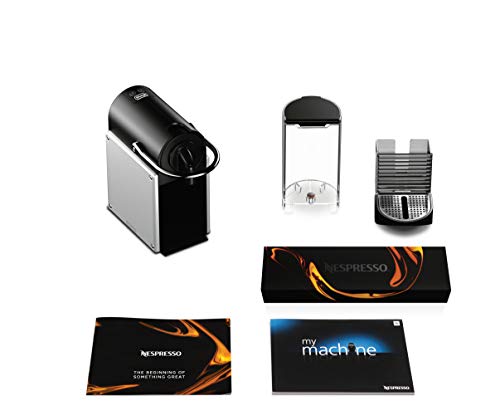
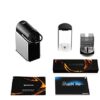
The included components field on this listing reads Milk Frother, and the style field reads Machine Only. Those two entries contradict each other, and the style field is the accurate one. The Pixie in this configuration has no steam wand, no milk carafe and no frother of any kind; it brews coffee into a cup and nothing more.
Nespresso sells a separate bundle pairing the same machine with an Aeroccino milk frother, and that is a different product with a different price. Anyone whose main drink is a cappuccino or a latte should buy the bundle or budget for a standalone frother from the outset. This is one of the most common reasons buyers of machine only capsule products are disappointed, and it is worth checking before ordering rather than after.
Brewing, the 19 Bar Pump and Drop Stop
The 19 bar figure is the pump maximum rather than the pressure at the coffee. On a capsule machine that distinction matters less than on a portafilter machine, because the capsule holds a fixed dose ground and tamped at the factory, and the machine's job is simply to deliver hot water through it at pressure. Consistency is the point of the format and the ceiling on quality is set by the capsule.
Drop stop technology refers to a valve arrangement intended to stop the spout dripping after extraction finishes. It is a small thing that matters on a machine sitting on a wooden counter. Automatic piercing and ejection means the used capsule falls into a container rather than needing to be pulled out by hand. The Nespresso CitiZ uses the same brewing system with a larger tank.
Programmable Volumes and Power Saving
Both buttons are programmable by holding the relevant button during extraction and releasing at the volume you want. That is more useful than it sounds, because the factory espresso and lungo volumes do not suit every cup, and a machine that always overfills or underfills becomes quietly irritating.
The 9 minute power save interval is unusually well documented for this catalogue; most listings say a machine powers down without stating when. Nine minutes is aggressive, which keeps standby draw low at the cost of a short reheat if you make two drinks twenty minutes apart. With a 25 second heat up that reheat is trivial.
Build, Aluminium and the Tank Question
The aluminium exterior is the main physical difference from the plastic bodied Essenza Mini, and it gives the machine a more substantial feel for a modest price step. At 6.61 pounds it is still light enough to move easily.
Tank capacity is where this listing becomes unreliable. The product title states 1100 ml, while the Breville distributed version of the same Pixie published elsewhere on this site states 0.7 litres. Those cannot both describe the same reservoir. The 0.7 litre figure is the one consistent with a machine this size, and the 1100 ml entry looks like a data error. Anyone for whom tank size is the deciding factor should confirm against the manufacturer specification page rather than either listing. The Breville distributed Pixie is the same hardware under a different distributor.
Running Costs and Capsule Choice
The machine price is the entry fee. Every cup afterwards needs a capsule, and over a couple of years that recurring cost typically exceeds the price of the machine several times over. No listing shows that number, and it should drive the decision more than any specification.
Where the Original system has a genuine advantage is choice. Many third party roasters make capsules compatible with OriginalLine machines, and refillable stainless capsules exist for anyone who wants to use their own coffee. That competition keeps prices down and widens the range considerably compared with Nespresso's newer Vertuo system, where the barcode reading mechanism restricts the third party market. The capsule and pod range shows how much choice exists.
What the Specifications Do Not Settle
Beyond the tank conflict, the used capsule container capacity, the brew temperature, the wattage and the warranty term are all absent. The voltage field reads 240 volts, which is wrong for a North American machine and should read 120; that is a data error rather than a product specification. The filter type field reads reusable, which is meaningless on a capsule machine.
Published owner feedback raises three consistent points worth knowing. The machine is slightly louder than some rivals, which follows from a pump in a light body. The water tank feels less solid than the aluminium shell around it. And the drip tray needs regular emptying to avoid overflow, particularly if the machine is used for lungo volumes. None of these affects the coffee.
Descaling is the one maintenance job that genuinely matters on a machine like this. Hot water passing through a narrow path leaves scale, and scale is what eventually kills the pump or the heating element. Nespresso publishes a schedule keyed to water hardness and the machine indicates when it is due; following that prompt rather than deferring it is worth more than any specification on the listing, and a scaled machine also holds temperature less well, which is the other complaint owners raise.
Who It Suits
The Pixie suits a black coffee drinker who wants espresso or lungo with total consistency, prefers an aluminium bodied machine to a plastic one, and has accepted the capsule model. Twenty five second heat up, programmable volumes and years of owner history make it a low risk purchase within its category, and it takes very little counter space.
It is the wrong machine for milk drink drinkers without a separate frother, for anyone brewing for a household, and for anyone who objects to proprietary capsules on cost or waste grounds. Those buyers should look at ground coffee machines across the espresso machine category, where the running cost is whatever you spend on beans. Anyone wanting the smallest possible Original machine should compare the Essenza Mini EN85R.