
Description
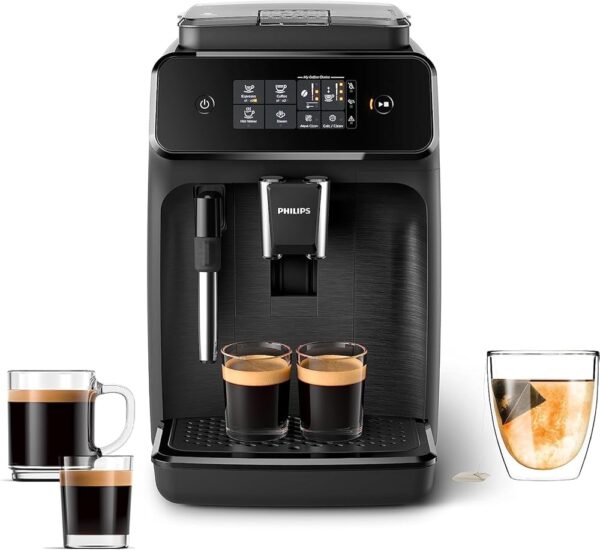
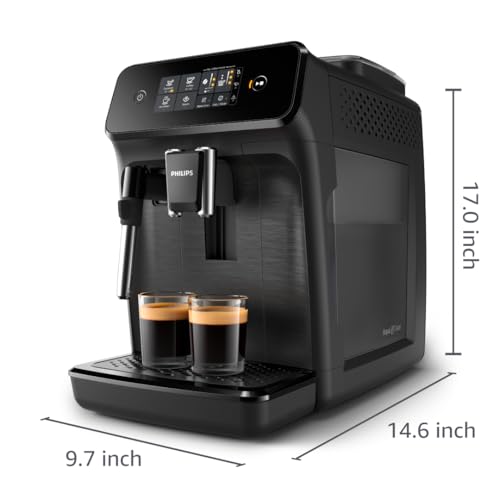
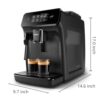
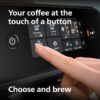
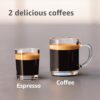
The Philips 1200 Series EP1220/04 is the entry point into Philips' fully automatic bean to cup range. It has a 100 percent ceramic burr grinder, a removable brew group, a classic milk frother rather than the LatteGo carafe used higher in the range, and two drink options: espresso and coffee. It measures 10 inches deep, 15 inches wide and 17 inches tall, weighs 15.4 pounds, and is made in Romania.
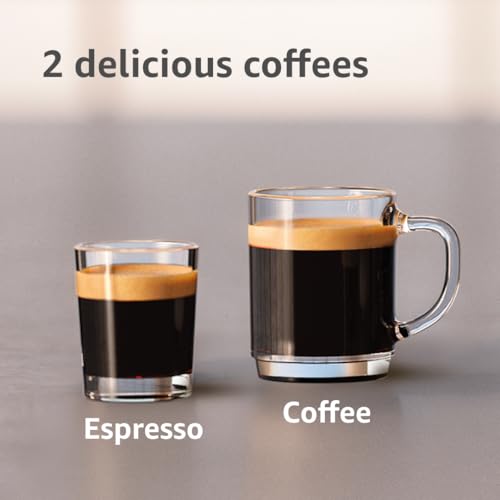
Two drinks sounds restrictive until you consider what a bean to cup machine actually does. Espresso and coffee are two brew volumes from the same grinder and brew group; every additional recipe on a more expensive machine is a combination of those with milk. The 1200 gives you the coffee and leaves the milk to a manual steam frother, which is a coherent way to build a cheaper machine rather than a crippled one.
The Published Brewing Temperature
Philips states that the Aroma Extract system keeps water temperature between 90 and 98 degrees Celsius. That is a genuinely rare disclosure. Almost no listing in this catalogue publishes an actual brewing temperature, and most claim precise temperature control without ever saying what temperature is being controlled to.
Ninety to 98 degrees spans the conventional espresso brewing window and extends into the upper range suited to longer coffee volumes, which is consistent with a machine offering both. It is a range rather than a setpoint, so it describes the operating band rather than shot to shot stability, but it is more information than the machines above it in the same range provide. The Philips 3200 Series uses the same Aroma Extract system without publishing the figures.
The Classic Milk Frother
This is the main difference from the rest of the range and the main thing to understand before buying. The classic milk frother dispenses steam through a wand, and the operator holds a jug and textures the milk by hand. It is not the automatic LatteGo carafe fitted to the 3200, 3300 and 4400.
For someone who wants to learn milk texturing that is arguably better: a wand gives control an automatic carafe never will. For someone who bought a bean to cup machine specifically to avoid handling milk, it defeats the purpose. Owner feedback notes the frother is plastic rather than stainless steel, which affects perceived quality and how hot the sleeve gets in use. Anyone whose priority is one touch milk drinks should step up to a LatteGo model such as the Philips 3300 Series rather than buy this and be disappointed.
Ceramic Grinder and Removable Brew Group
The grinder uses 100 percent ceramic burrs. Ceramic is harder than steel, holds an edge longer and transfers less heat into the grounds, which preserves aromatics. Philips fits it across the whole range rather than reserving it for expensive models, so the 1200 grinds to the same standard as machines costing considerably more.
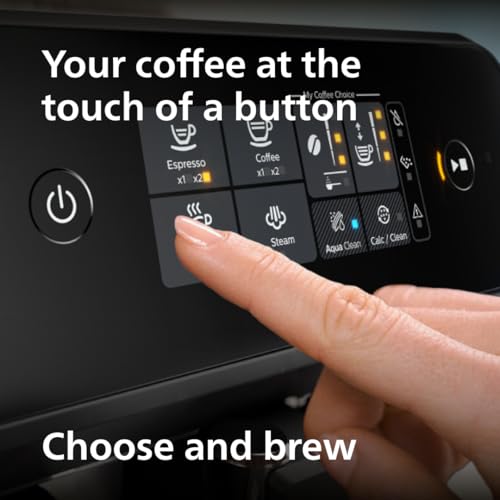
The brew group is removable, which is the feature that decides whether a bean to cup machine is still working in eight years. It lifts out for rinsing under a tap rather than requiring chemical cleaning through a sealed circuit. My Coffee Choice offers three strength and quantity settings, which is the extent of the customisation; there are no saved profiles and no named recipes.
AquaClean, Descaling and Running Costs
Philips states that changing the AquaClean filter when prompted removes the need to descale for up to 5000 cups. That maximum depends on replacing the cartridge on schedule and on setting water hardness correctly at installation. Skip the filter changes and the machine reverts to normal descaling intervals.
Cartridges are a recurring cost that should be counted alongside beans, and over a year of daily use they add up. Against that they genuinely reduce scale, which is what ends the life of automatic machines. One point to check on this listing: the included components field reads simply Coffee machine, so whether an AquaClean cartridge is supplied in the box is not established despite the filter being a headline feature. Owners who skip filtration should budget for a descaler from the machine cleaning range and run it on schedule.
Footprint, Noise and Preset Volumes
At 17 inches tall this machine needs clearance above for the bean hopper lid, and 15 inches of width is a full size counter appliance despite the marketing describing it as compact. The 10 inch depth is the forgiving dimension.
Two points recur in owner feedback. Grinding is loud, which is inherent to a burr grinder and is not mitigated by the noise reduction technology Philips fits to its newer models. And the preset volumes do not align neatly with common cup sizes, so the espresso setting may under fill a small cup or the coffee setting overfill a mug; the strength and quantity adjustment partly addresses this but not completely. Neither is a fault so much as a consequence of a two button machine.
What Two Drinks Actually Gets You
The two drink limit is worth thinking through before dismissing it. A bean to cup machine produces one thing: coffee from freshly ground beans through an internal brew group. Espresso and coffee are two volumes of that. Every additional recipe on a more expensive machine is one of those two volumes combined with a quantity of textured milk.
So the practical question is not how many recipes you want but whether you want the milk handled for you. If the answer is no, this machine makes exactly the same coffee as the models above it, from the same ceramic grinder and the same brew group, for considerably less money. If the answer is yes, no amount of strength adjustment on the 1200 will compensate, and the money is better spent on a model with an automatic milk carafe. That is the whole decision, and it has nothing to do with the recipe count.
What the Specifications Do Not Settle and Who It Suits
The water tank capacity, the bean hopper capacity, the grounds container capacity, the number of grind settings, the pump pressure, the wattage and the warranty term are all absent from the data. The human interface field reads buttons while the product title advertises a touch display, and the price field is empty entirely, so the structured data on this listing should be treated with caution throughout.
The EP1220/04 suits someone who wants freshly ground coffee at a button press, drinks mostly black coffee or espresso, and is willing to texture milk by hand on the occasions they want it. The ceramic grinder, the removable brew group and the published brewing temperature range give it more substance than its position in the range suggests. It is the wrong machine for anyone who wants automatic milk drinks, where a LatteGo model or a De'Longhi such as the Magnifica Start ECAM22022SB is the answer, and anyone comparing across the category should read the super automatic range before deciding.