
Description
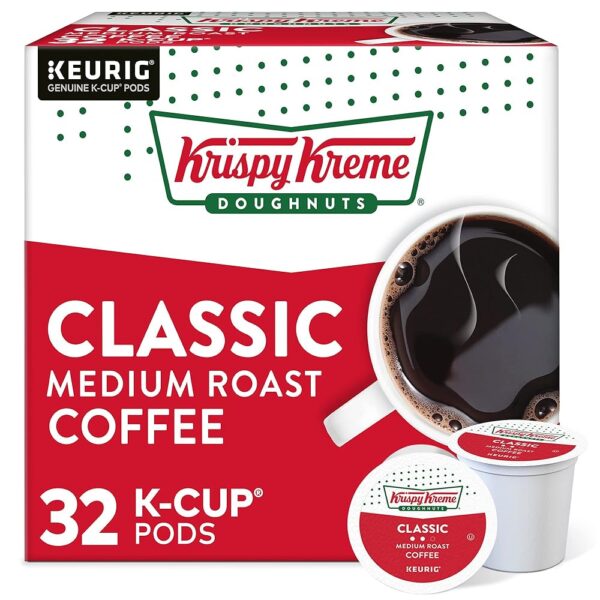
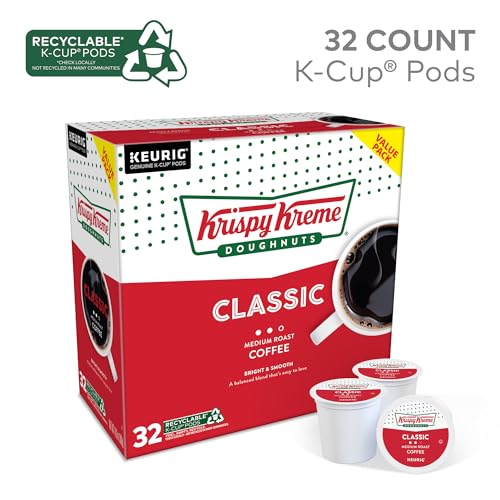
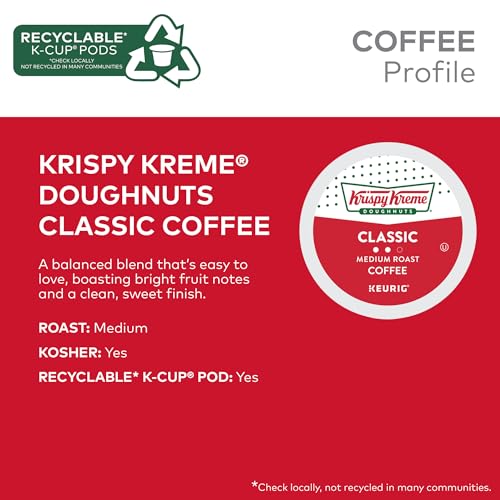
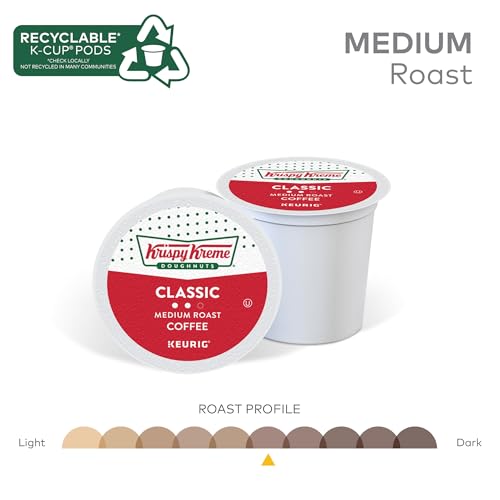
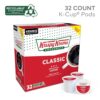
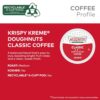
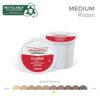
Krispy Kreme Classic in Keurig K-Cup format is a 32 count box listed at 18.63 dollars, a medium roast made from 100 percent Arabica and certified Orthodox Union Kosher. Krispy Kreme describes it as a balanced blend with bright fruit notes and a clean, sweet finish, and presents it as the doughnut shop coffee brought home. At 32 pods for 18.63 dollars it works out at about 58 cents a cup.
Doughnut shop coffee is a genuine style rather than a marketing category. It describes a medium roast built to be drunk in volume alongside something sweet: not too acidic, not too bitter, enough body to hold up with milk and sugar, and nothing distinctive enough to compete with the food. That is a legitimate design brief and it is quite different from what a speciality roaster is aiming at. Several brands in the pod category here work to it, most obviously the Original Donut Shop Regular pods.
The Small Box Premium
Thirty two pods is the smallest standard box size in this category and it carries a consistent penalty. At 58 cents a pod this box costs more per cup than every 96 count box covered on this site, several of which come in between 40 and 52 cents.
The pattern is worth stating plainly because it is easy to miss when comparing sticker prices. An 18 dollar box looks cheaper than a 43 dollar box, and per cup it is a third more expensive. Across this catalogue the same coffee in a 96 count box regularly costs a quarter to a third less per pod than in a 32 count. A 32 count box has one legitimate use, which is trying a coffee before committing to three months of it, and that is a good enough reason on its own. Buying it repeatedly is simply paying a premium for smaller packaging.
There is a storage argument for the small box that partly offsets the premium. K-Cups are individually sealed and keep for many months, but the outer carton protects the foil lids from crushing and the pods from cupboard smells, and a box you finish in five weeks spends far less time open than one you work through over three months. That is a real if modest benefit, and it is the only functional case for the 32 count beyond trying the coffee.
Bright Fruit Notes in a Doughnut Shop Blend
The tasting description is more interesting than the category usually offers. Bright fruit notes and a clean, sweet finish is not how most restaurant chain medium roasts describe themselves; the standard vocabulary is smooth, rich, full bodied, which points at caramel and nut rather than fruit.
Fruit character in coffee comes from acidity, and acidity survives roasting better at lighter levels. A medium roast that keeps noticeable fruit is being roasted at the lighter end of medium, or is using beans with enough inherent acidity to carry it through. Either way the claim points at a brighter cup than the description doughnut shop coffee would lead you to expect. The clean, sweet finish half of the claim is the more conventional part and describes a coffee without lingering bitterness.
What the listing does not give is an origin. Bright fruit is a characteristic of East African and some Central American coffees and is uncommon in the Brazilian heavy blends that dominate this price bracket. Naming the origin would make the claim checkable; the page does not.
Kosher Certification
Krispy Kreme states Certified Orthodox Union Kosher, which is a specific certification from a named body rather than a general assurance. For plain roasted coffee kosher certification is relatively simple, since there is one ingredient and no animal derived processing aids, and the certification largely covers the facility and the equipment.
It becomes more meaningful on flavoured coffees, where flavouring compounds and carriers are involved and the ingredient list is longer. This is not a flavoured coffee, so the mark here is a straightforward facility level assurance. It is still worth having, and it is a real credential rather than a corporate programme, which is more than can be said for some of the sustainability language elsewhere in this category.
What the Brand Relationship Actually Is
Krispy Kreme has been making doughnuts since 1937, which the listing states, and the coffee is presented as an extension of that. What the page does not explain, and what is worth understanding across this whole category, is that a restaurant brand on a K-Cup box is usually a licensing arrangement rather than an in house operation.
Keurig Dr Pepper both owns the K-Cup platform and holds licensing partnerships with a long list of restaurant and retail brands, and it manufactures pods for many of them. That is why the description language, the certification wording and the compatibility bullet on this page are close to identical to those on several unrelated brands in the same category. It does not mean the coffee is the same; blends and roast profiles genuinely differ. It does mean the packaging, the pod construction and the boilerplate are shared, and that comparing these brands on their listings alone will tell you less than the wording suggests.
What the Specifications Do Not Settle
The specification block has five fields and all five are category labels: brand, item form, flavour, caffeine content and roast level. There is no weight, no dimensions, no country of origin, no date first available and no manufacturer beyond the brand name.
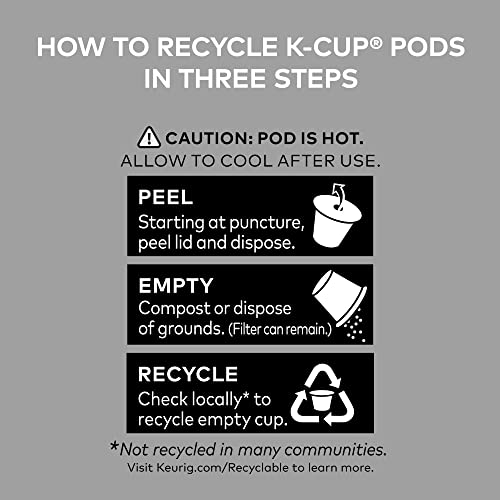
There is no dose per pod in grams, no caffeine figure in milligrams and no bean origin. Most notably for a 2018 era product, there is no recyclability statement of any kind. Competing brands in this category state whether the pod body is made from recyclable material and instruct owners to peel the lid, empty the grounds and recycle the cup, with a caveat about local schemes. This page says nothing, which leaves a buyer unable to tell whether these are the older non recyclable construction or the newer polypropylene type. Nor is there any sourcing or sustainability claim, where most competitors state at least a corporate programme.
Who It Suits and Who Should Look Elsewhere
This suits someone curious about the coffee who wants to try 32 pods rather than commit to 96, or someone who genuinely likes the Krispy Kreme cup and drinks it occasionally rather than daily. The bright fruit description points at a slightly more interesting coffee than the category norm, and the kosher certification is a real credential. The Green Mountain Breakfast Blend pods are the brighter cup in the same style.
It suits you poorly as a repeat purchase, because 58 cents a cup is at the expensive end of the category and buying the same coffee in a larger box would cut that materially. It suits you poorly if recyclability or sourcing documentation matters, since neither appears anywhere on the page. And it suits you poorly if you want a strong, dark cup, which a doughnut shop medium roast is deliberately not. Anyone drinking pods daily should also weigh the pod storage options and a machine with a strength control from the brewer range, both of which change the experience more than switching brands does. The Keurig K-Elite is one machine with that control.